Cover up tattoo: how to plan one
A cover up tattoo uses a new design to conceal an old one. Starbrite Colors and Ray Studios point to darker colours and a larger design, with the options depending on the old tattoo. AI Tattoo Artist's guide covers assessing the old piece, discussing laser lightening and choosing a design with a cover-up artist.
How to plan a cover up tattoo
- Assess the old tattoo. Note its size, darkness and ink density. Starbrite Colors describes very dark, densely saturated tattoos in large placements as the most challenging to cover without laser preparation. Take photos of the old tattoo to a cover-up artist for an assessment.
- Discuss laser lightening. Starbrite Colors says laser preparation can expand the design options. Ray Studios describes using laser for partial lightening. Published estimates conflict, including figures on Ray Studios' own page. Ask a clinic to assess your tattoo before estimating sessions.
- Discuss darker design options. Starbrite Colors says lighter ink does not conceal darker ink underneath. Ray Studios says the new design must visually dominate the old one. Discuss where darker areas would need to sit.
- Allow for a larger design. Ray Studios also says covering an old tattoo usually needs darker colours and a larger design. The sources give no supported size ratio. Have the design sized around the existing tattoo.
- Find an artist who does cover-ups. Ask to see healed cover-ups they have done, ideally over tattoos like yours. Take photos of the old tattoo to the consultation.
- Use a stencil to discuss size and placement. Print your chosen design at true size with the stencil maker and compare its dimensions with the old tattoo. Discuss whether the design could conceal the existing ink.
Cover-up design examples
These eight AI generated examples explore darker design ideas for a consultation. Their appearance alone cannot establish suitability for your old tattoo. Ask a cover-up artist to assess each idea against the existing ink and redraw it as needed.
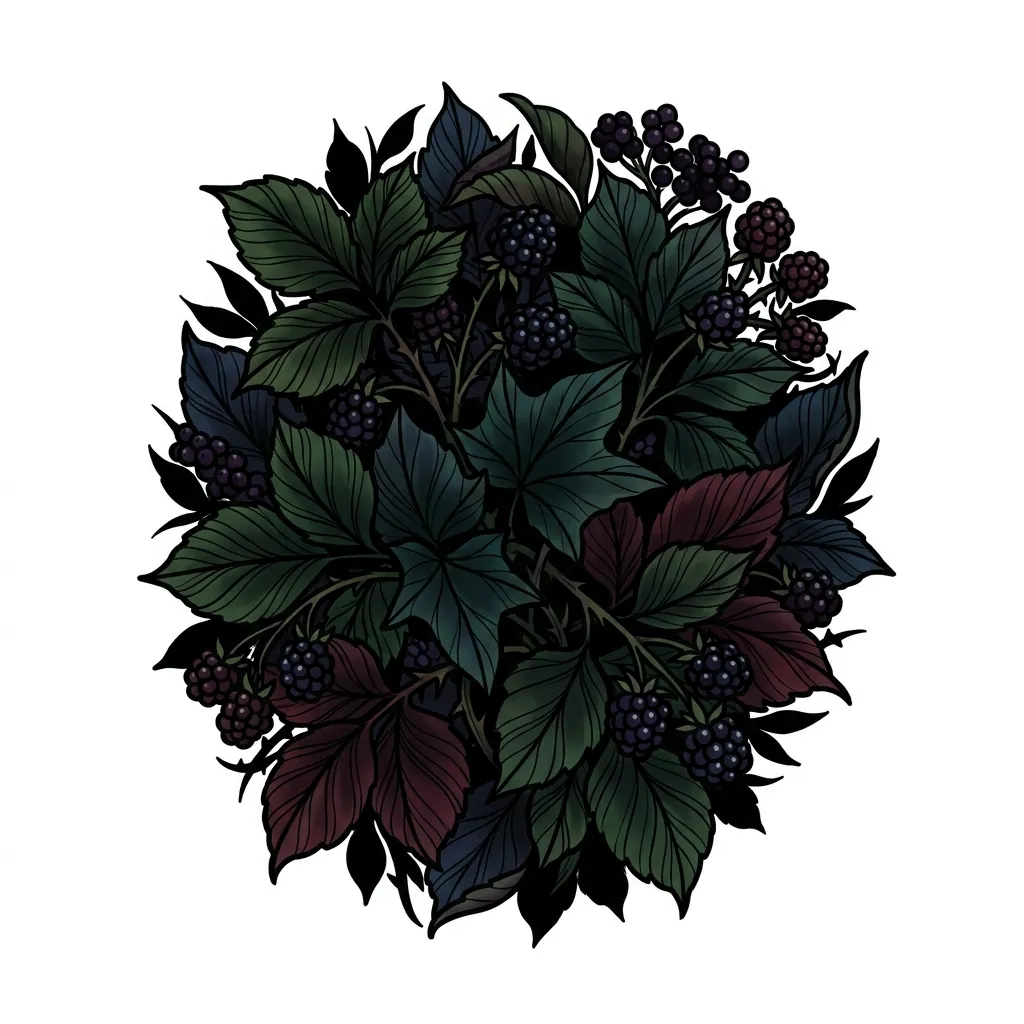
Dense dark leaves and berries. Wrist, 8 cm.
AI generated example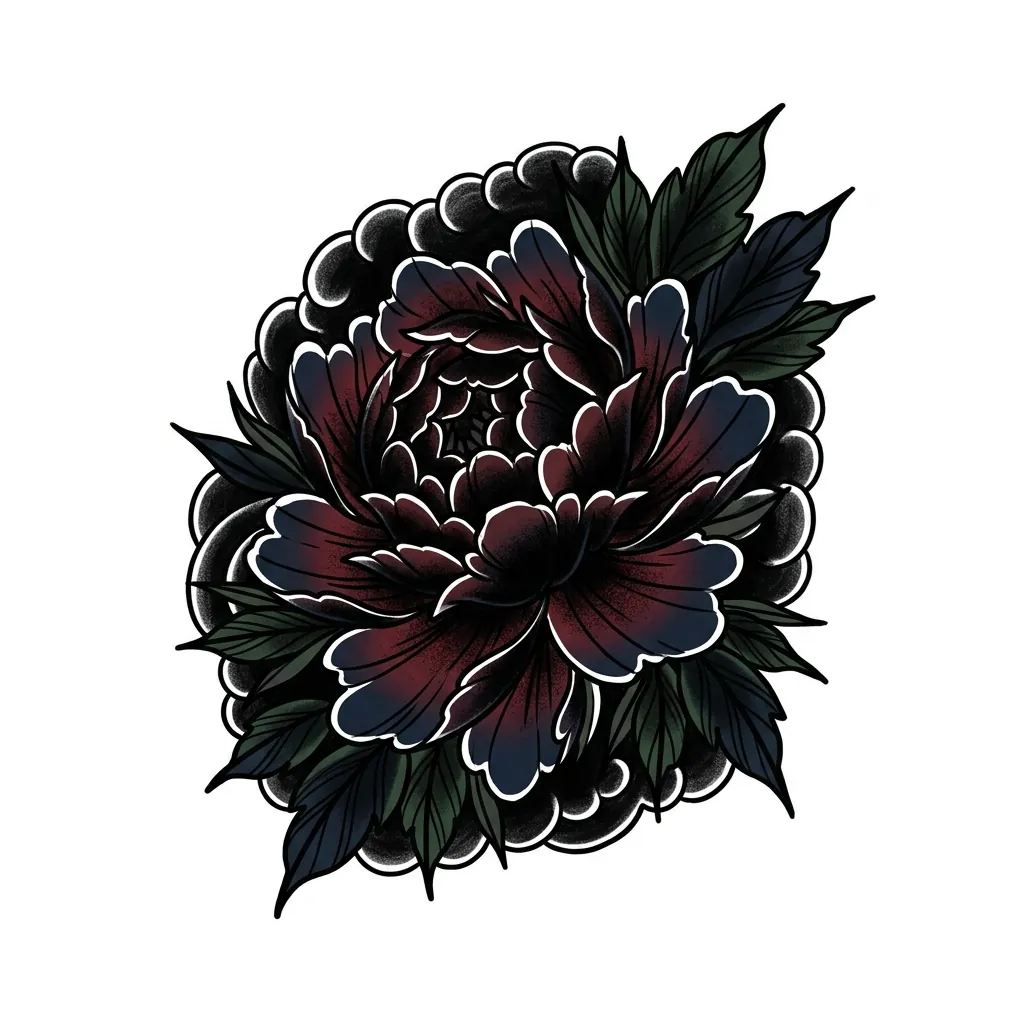
A large dark peony with heavy black background shading. Shoulder, 16 cm.
AI generated example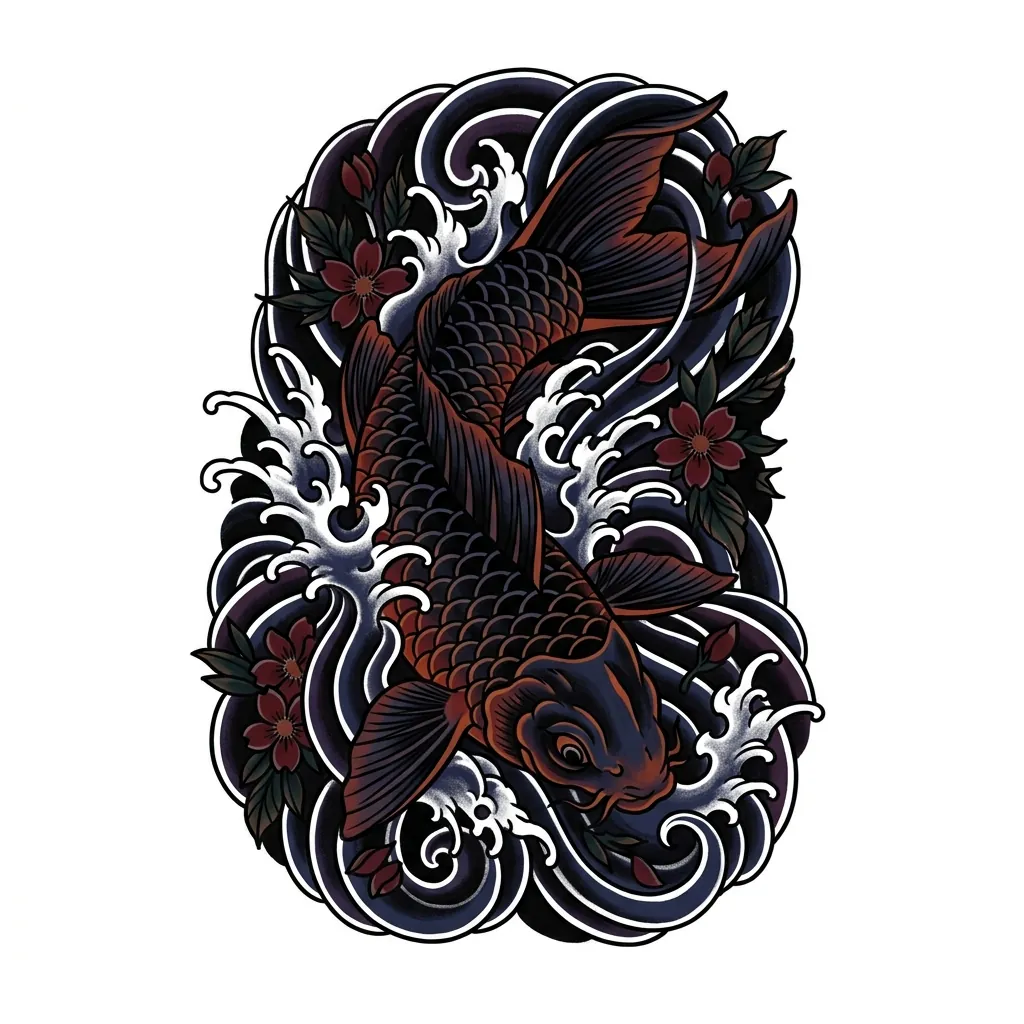
A koi in dark swirling water. Calf, 16 cm.
AI generated example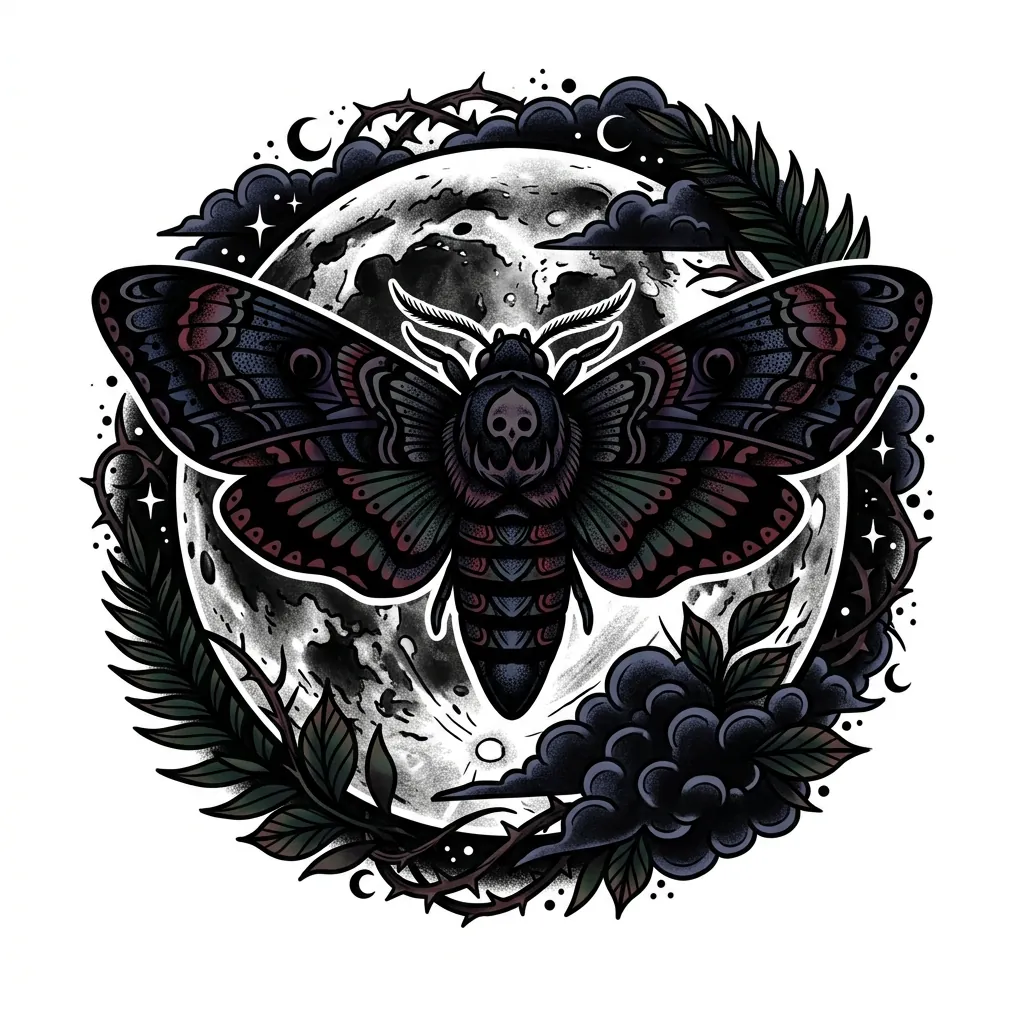
A dark moth over a full moon framed by dark leaves. Sternum, 14 cm.
AI generated example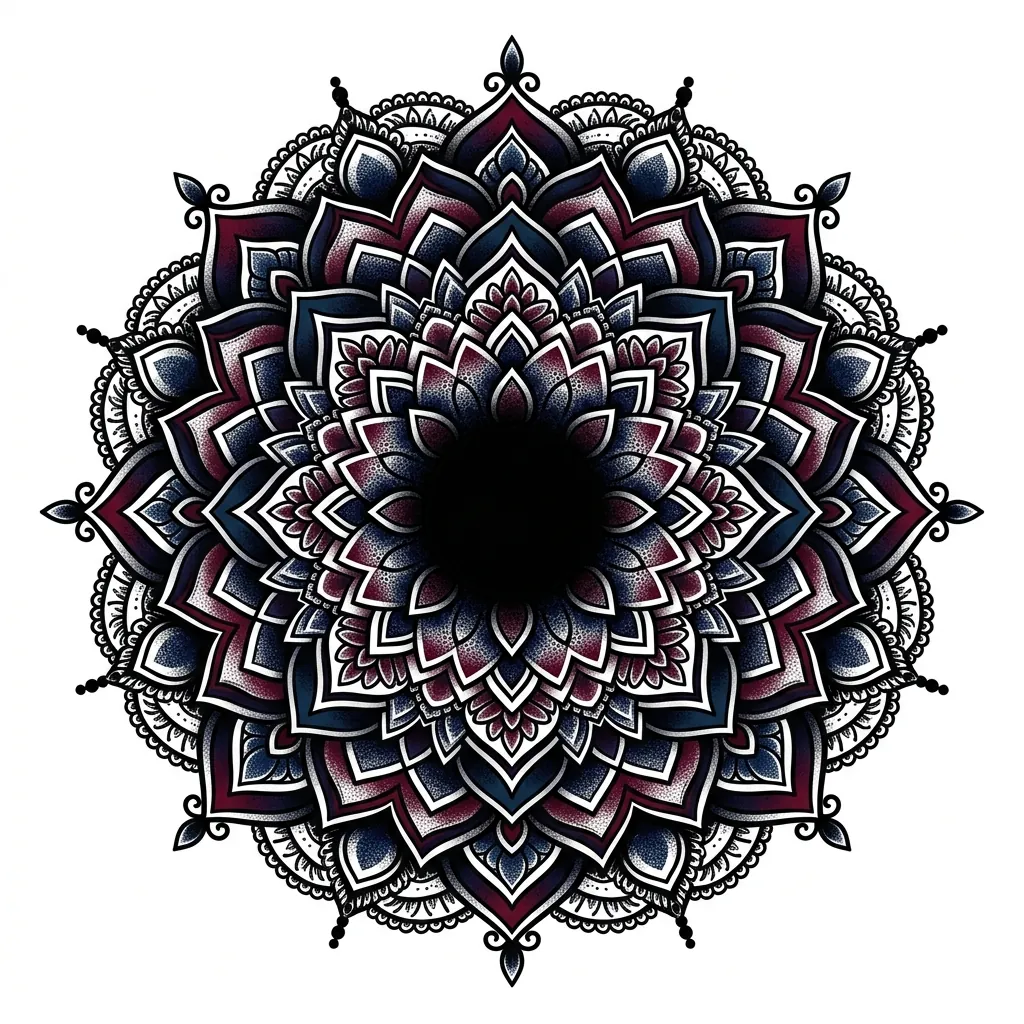
A dense ornamental mandala with a solid black centre. Forearm, 12 cm.
AI generated example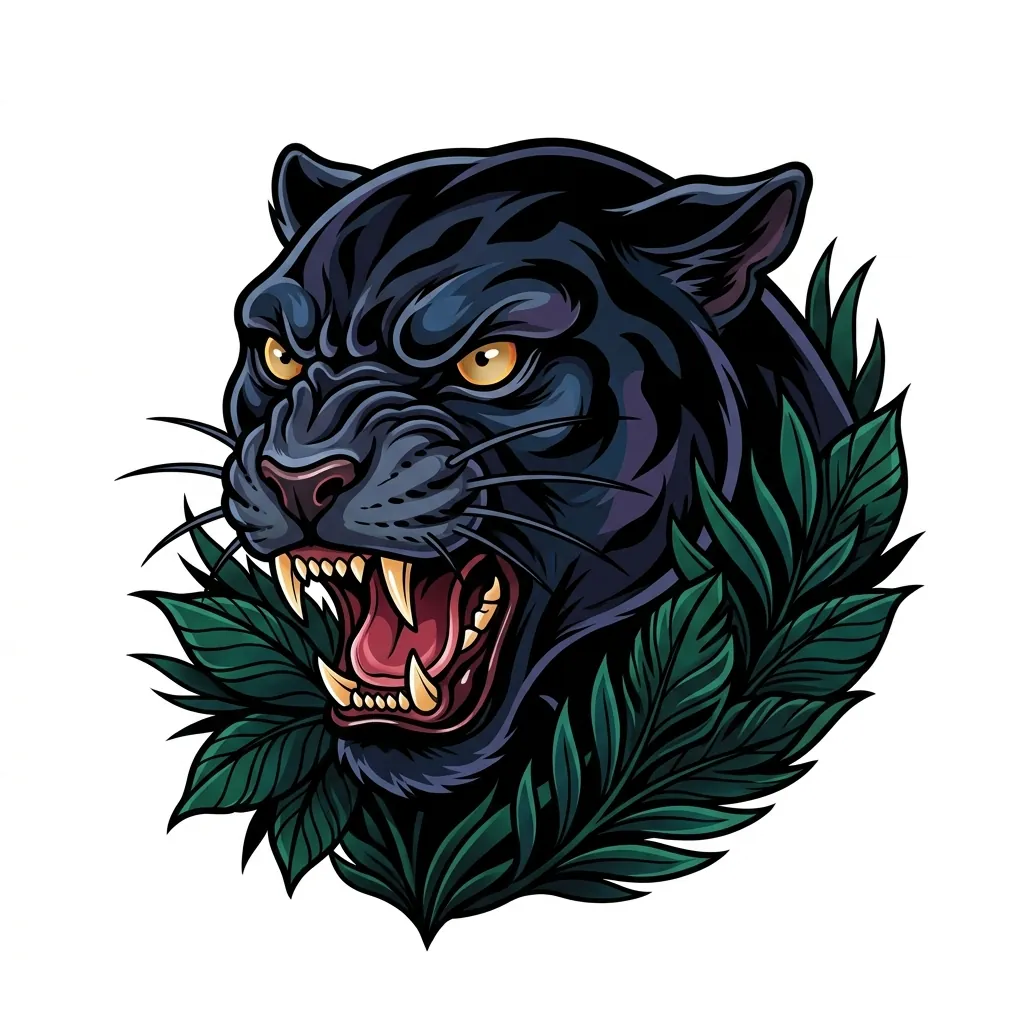
A black panther head. Upper arm, 14 cm.
AI generated example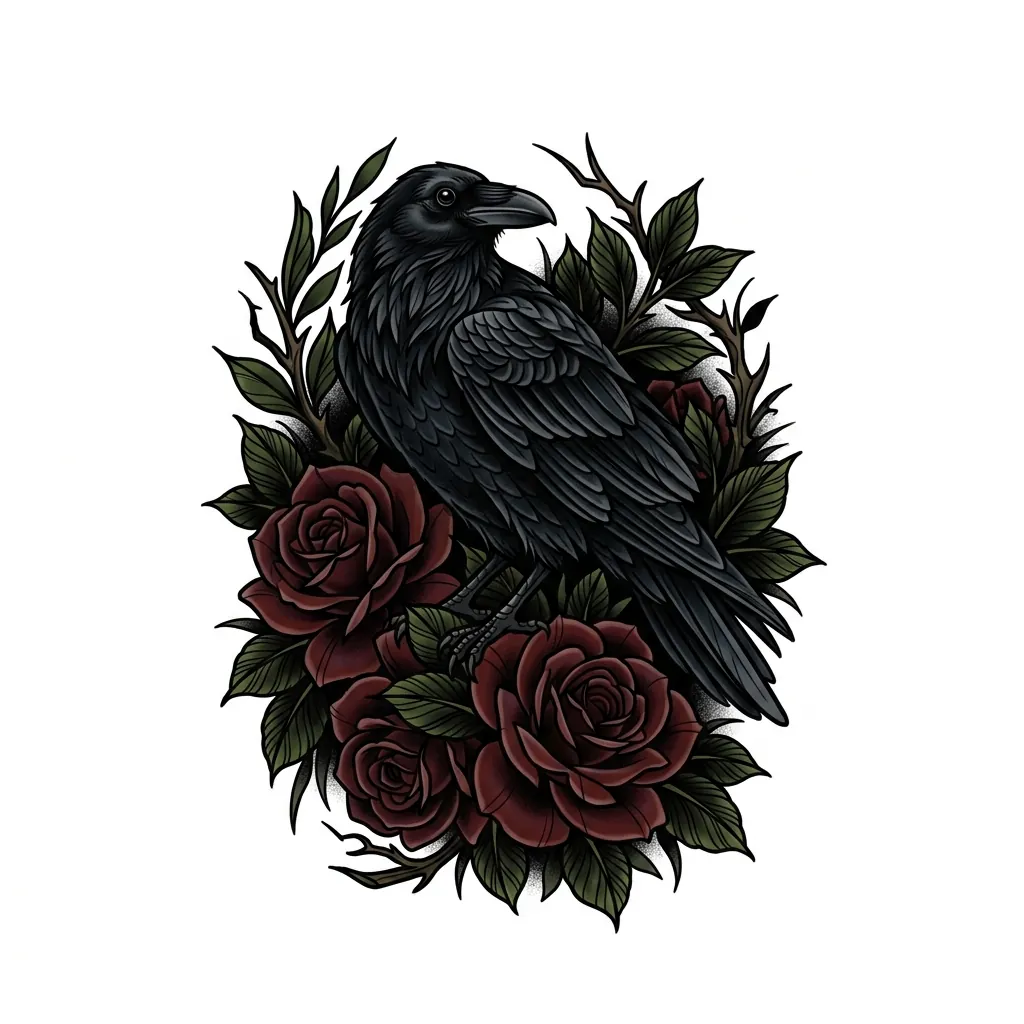
A raven over dark red roses. Forearm, 14 cm.
AI generated example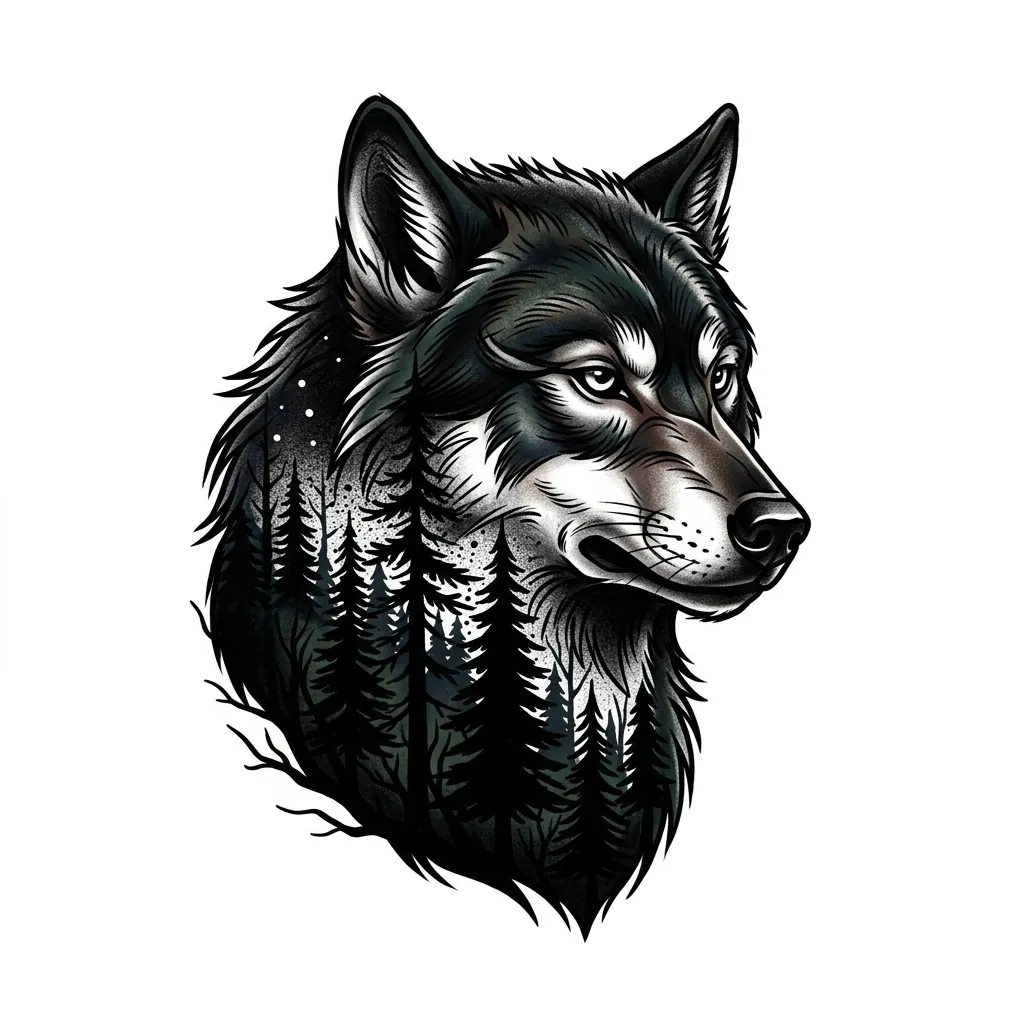
A wolf head with a dark pine forest. Thigh, 18 cm.
AI generated exampleThe sizes and placements shown are illustrative suggestions. Have the chosen design sized around the old tattoo.
What cannot be covered easily
- Very dark, densely saturated tattoos in large placements. Starbrite Colors describes these as the most challenging to cover without laser preparation.
- A lighter design over dark ink. Lighter ink does not conceal darker ink underneath, according to Starbrite Colors. Discuss any fine line idea with a cover-up artist before deciding whether it is suitable.
- A smaller replacement. Ray Studios says cover-ups usually need a larger design. Discuss whether the proposed dimensions leave enough room around the old tattoo.
The American traditional guide explains a style with bold outlines. Discuss whether a design in that style could work over your tattoo.
Taking an example to your artist
Bring photos of the old tattoo alongside any of these examples and ask the artist to assess its size, darkness and ink density.
FAQ
Can any tattoo be covered up?
Not always. A cover-up artist needs to assess the old tattoo first. Starbrite Colors describes large, very dark, densely saturated tattoos as the most challenging to cover without laser preparation.
Do I need laser before a cover up?
Laser is an option to discuss with your artist and a clinic. Starbrite Colors says it can expand cover-up design options; Ray Studios describes using it to lighten a tattoo partially. Ask for an assessment of your old tattoo.
How many laser sessions does lightening take?
No agreed number exists, because published estimates conflict, including figures on Ray Studios' page. Ask a clinic to assess your tattoo and explain its proposed course of treatment.
Will the cover up be bigger than the old tattoo?
Usually, yes. Ray Studios says cover-ups need a larger design and darker colours, and the sources give no supported size ratio. Have the dimensions set around the old tattoo.
Can I preview a cover up before I book?
Partly. Print a design at true size with the stencil maker to compare size and placement. Have an artist assess concealment of the existing ink.
Are the images on this page real tattoos?
The images are AI generated examples. Use them to show an artist the style and darkness you have in mind.