Fine line tattoo: how it ages and where it works
A fine line tattoo is made with a single needle or an ultra-thin needle grouping, which gives very thin, delicate lines. AI Tattoo Artist's guide covers how the style ages, where it works and where it struggles, and shows 12 AI generated examples to take to an artist as references.
What the style is
Certified Tattoo describes fine line as work made with a single needle or an ultra-thin grouping. Our examples include botanical and celestial subjects. Use them to discuss size, spacing and placement with your artist.
Rules for this style
- Line weight: thin. Tommy's Supplies suggests 1RL or 3RL round liners on #8 or #10 needles. Tommy's Supplies describes 3RL as delicate, 5RL as medium and 9RL upwards as bold.
- Ageing and spacing: Certified Tattoo warns about fading in fine line work and advises larger designs with more space between elements to help them hold up over time. Black Hat Tattoo describes lettering lines softening and spreading enough to close small gaps. These studio accounts give no measured rate of fading or spread.
- Size: the example sizes below range from 4 to 12 cm. These are suggested sizes to discuss with your artist. The sources give no minimum size for fine line.
A short history
OC Weekly reports that Jack Rudy and Good Time Charlie are widely credited with popularising detailed fine line black and grey work in the 1970s. Rudy recalled East LA clients asking for prison-style work without colour, and claimed modern single-needle black and grey tattooing began in his shop. Wikipedia describes Rudy as known for single-needle, black-and-grey work. It also describes Dr. Woo becoming known for black and grey fine line single-needle tattoos while working at Mahoney's Shamrock Social Club.
Where fine line works and where it struggles
Where it works
- A larger design with room between its elements holds up better, following the spacing guidance above.
- Placements with less friction, sun exposure and movement suit fine line better. Compare options with your artist.
Where it struggles
- Friction, movement, sun and thin skin. Black Hat Tattoo identifies these as challenges for fine line work.
- Fingers. Sortra says skin there wears faster and line retention is often inconsistent.
- Hands. Certified Tattoo warns about washing and sun exposure. The cited guidance gives no measured timescale for fading on hands.
- Ribs. The same studio warns that skin can stretch and change shape in this area.
- Thin or loose skin. Starbrite Colors lists wrists, inner elbows, inner forearms, feet and ankles, the backs of knees and the neck as areas where correct needle depth is harder to maintain. Starbrite Colors describes blowout as ink in tissue below the dermis and identifies excessive needle depth as its main cause.
Two examples below, the wave on the wrist and the peony on the inner forearm, sit in placements these warnings cover. Discuss those placements with your artist before using the suggestions below.
Flash gallery
All 12 images below are AI generated examples for discussion with an artist. Sizes and placements are illustrative suggestions. Have an artist assess and redraw the design before using it for a tattoo.
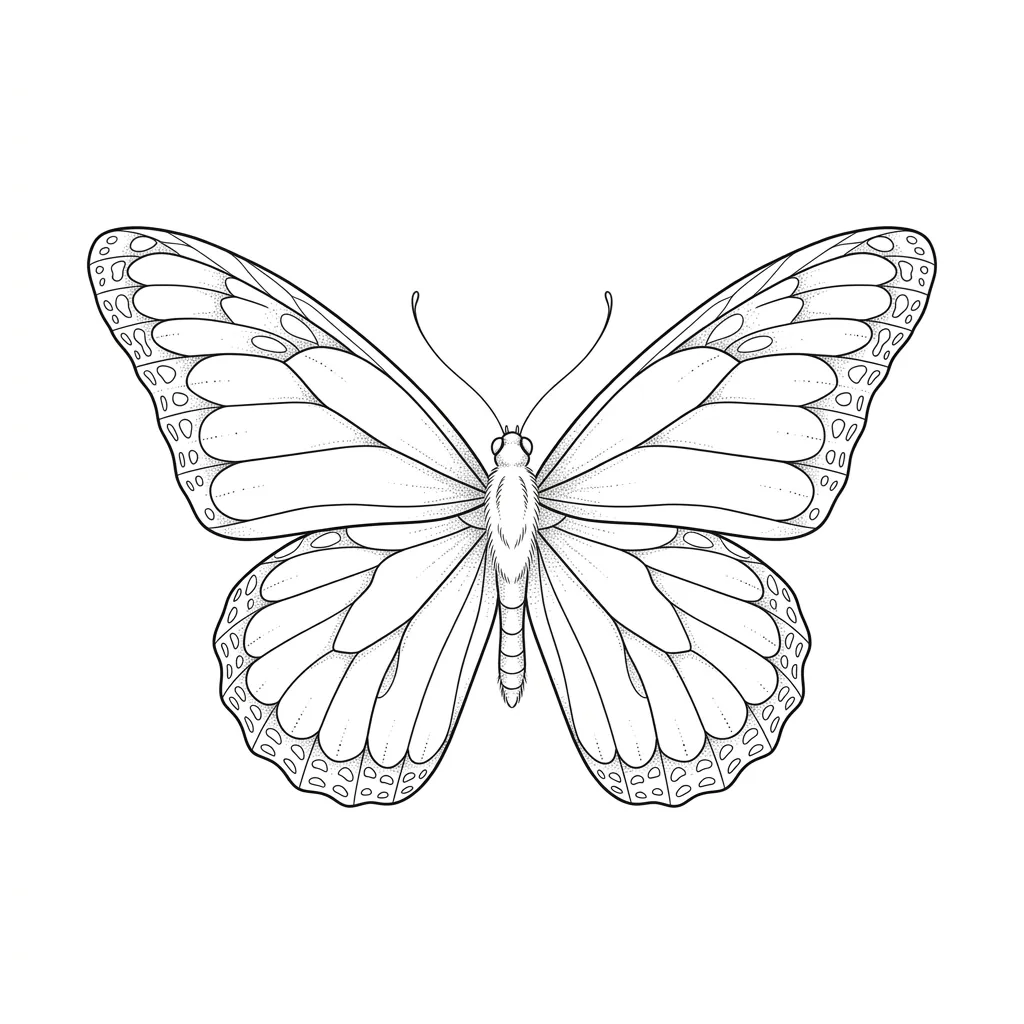
A butterfly with delicate wing vein detail. Back of neck, 5 cm.
AI generated example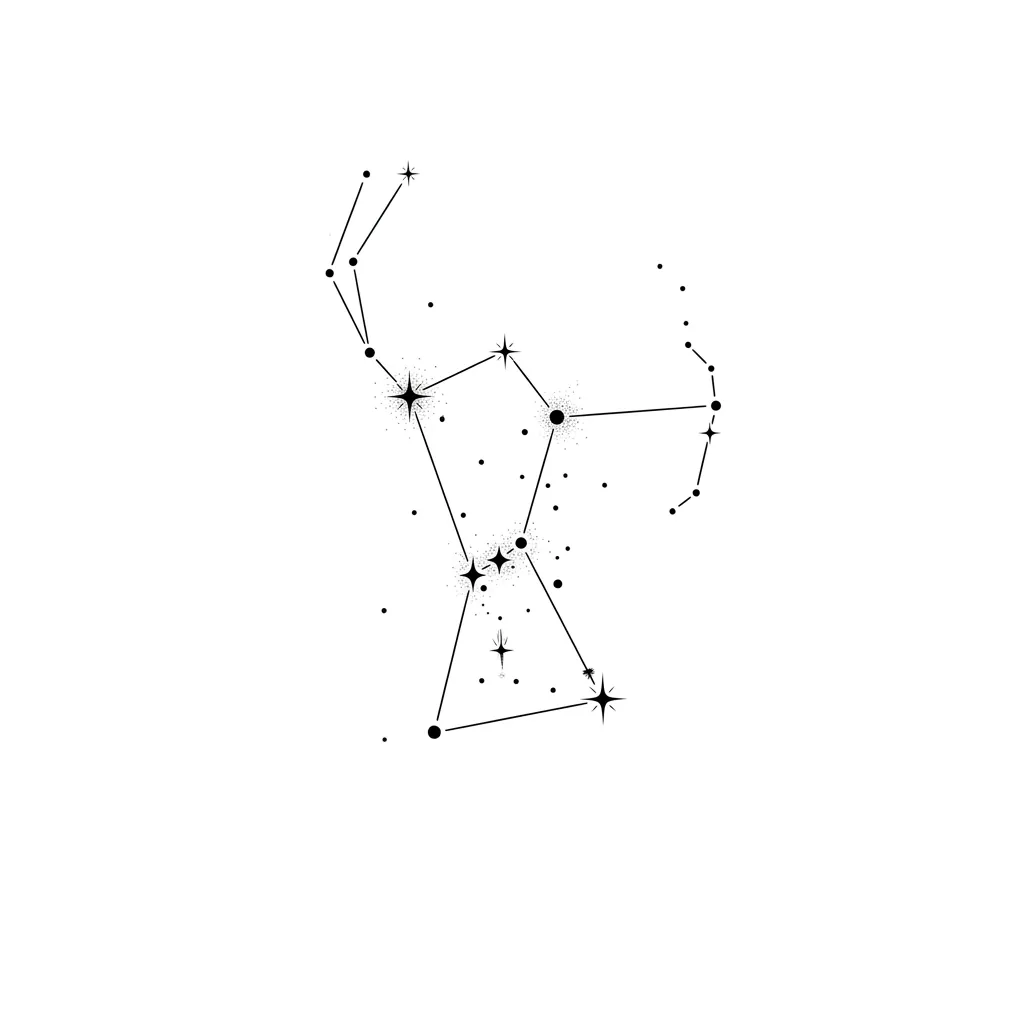
A star constellation drawn as small dots joined by fine lines. Collarbone, 7 cm.
AI generated example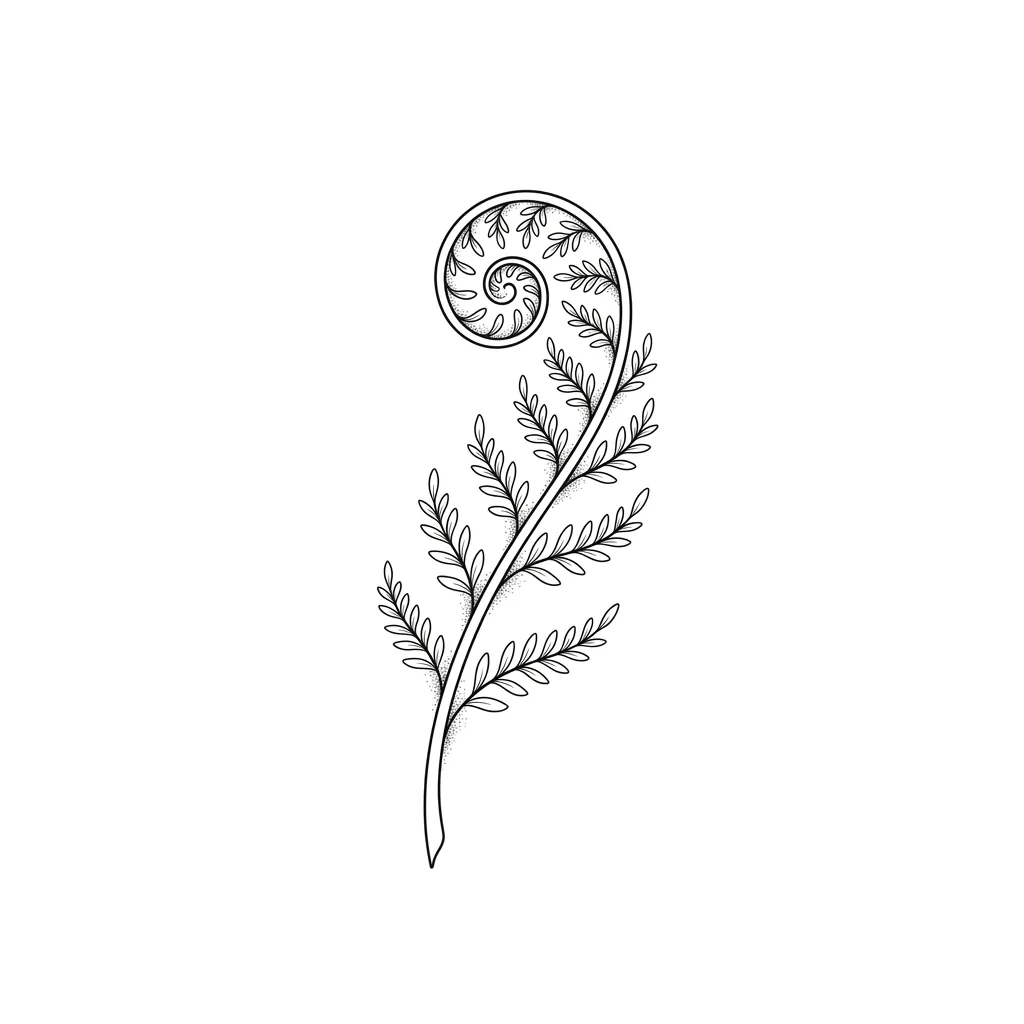
A single unfurling fern frond. Outer forearm, 10 cm.
AI generated example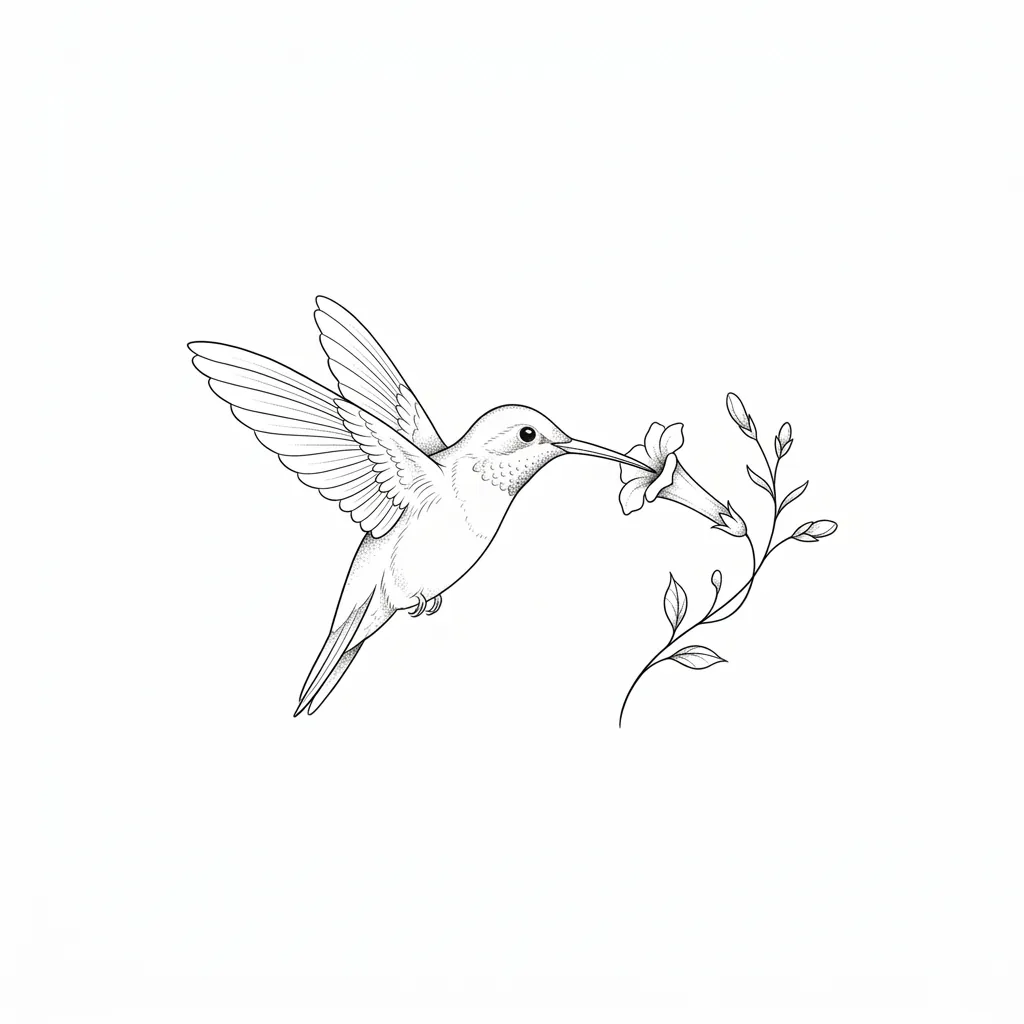
A hummingbird feeding at a small trumpet flower. Shoulder blade, 8 cm.
AI generated example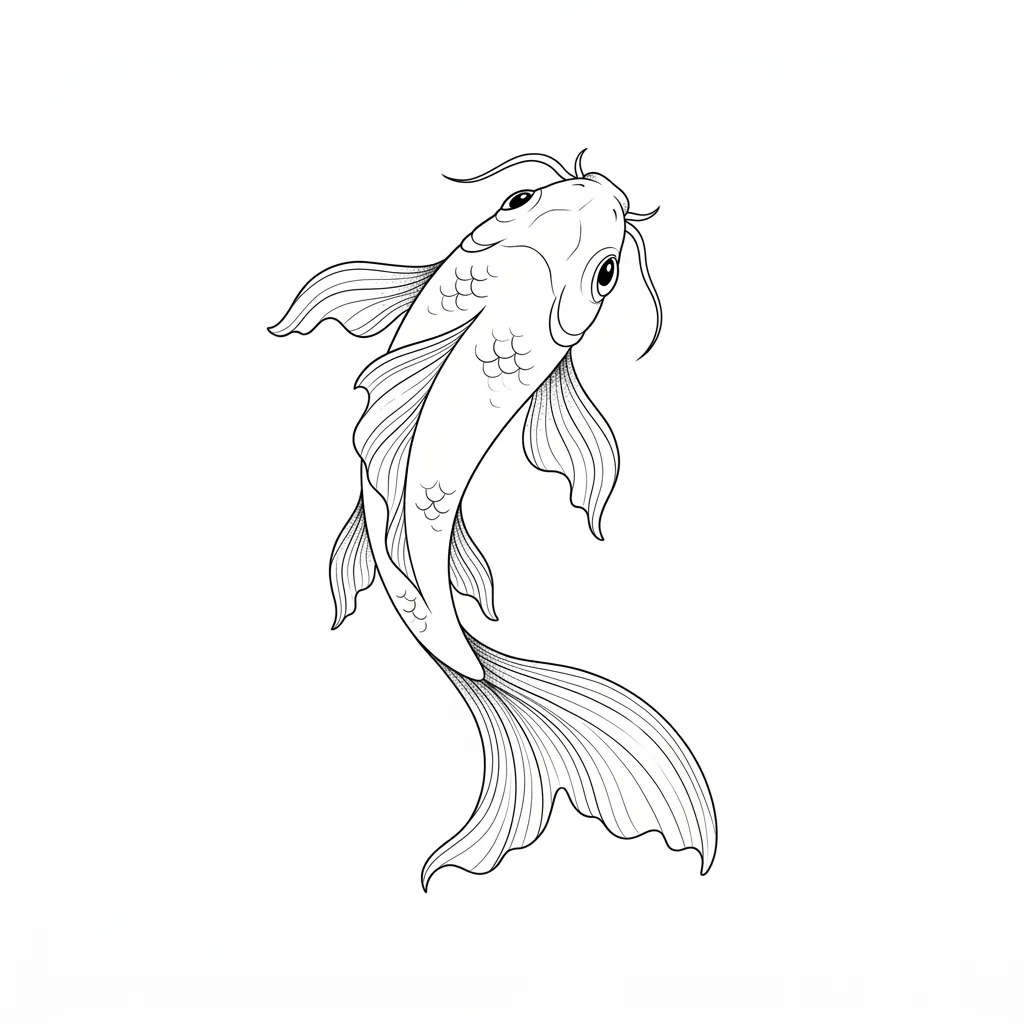
A koi fish outline with minimal scale detail. Upper arm, 10 cm.
AI generated example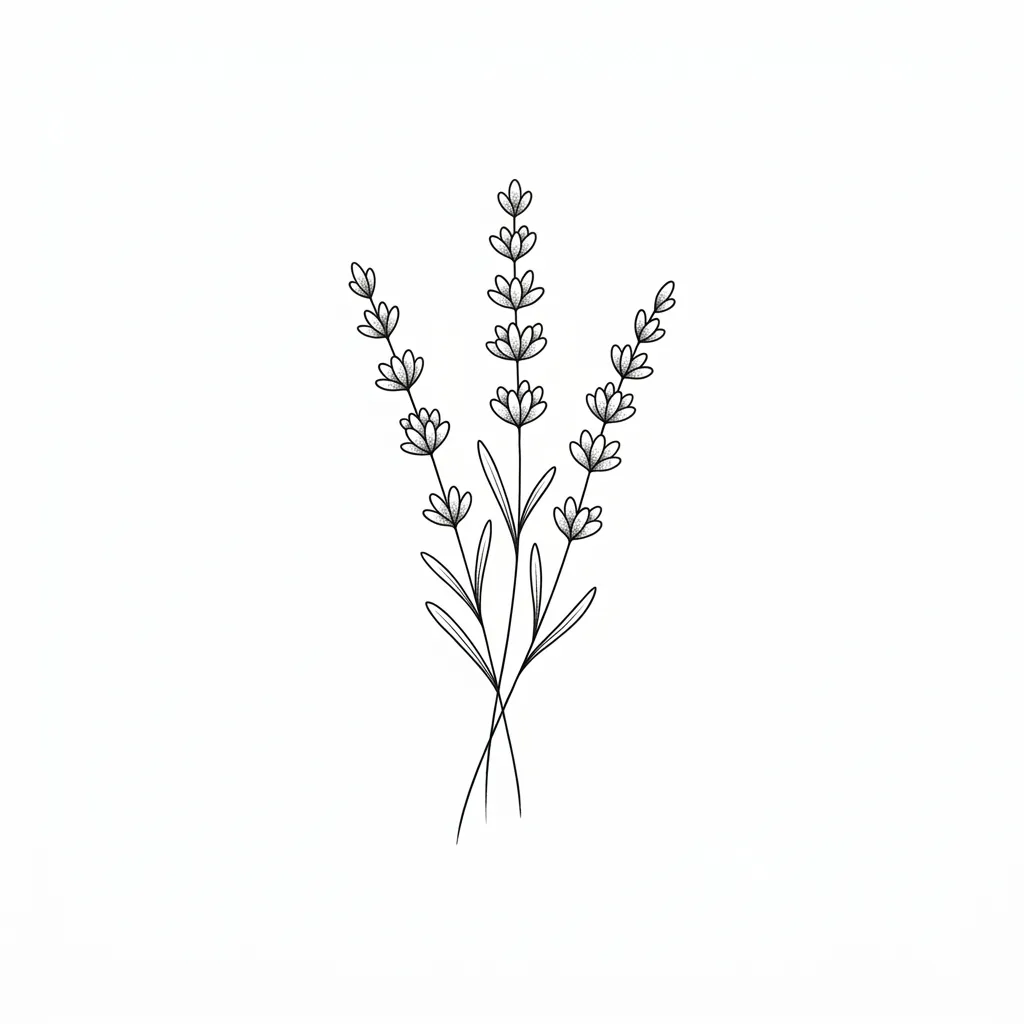
Three sprigs of lavender. Rib, 10 cm.
AI generated example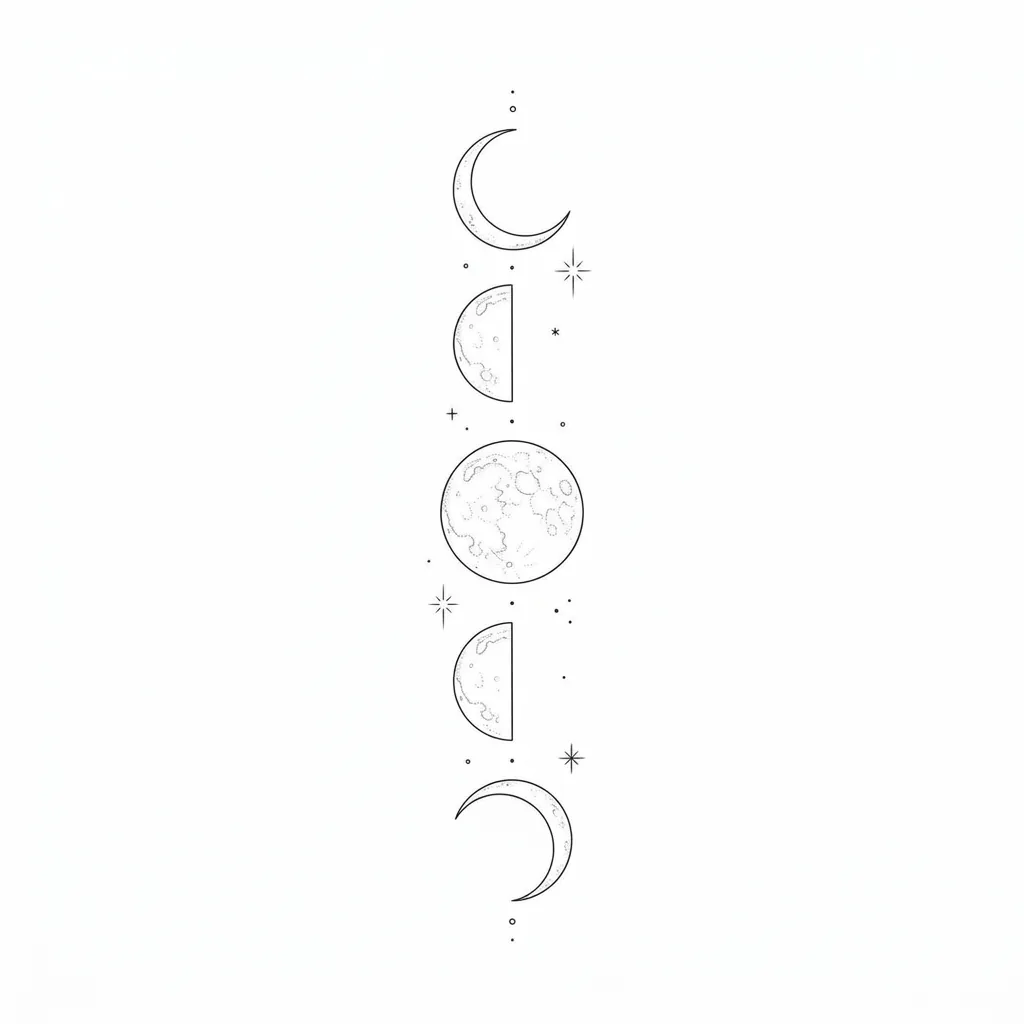
A vertical row of five moon phases. Spine, 12 cm.
AI generated example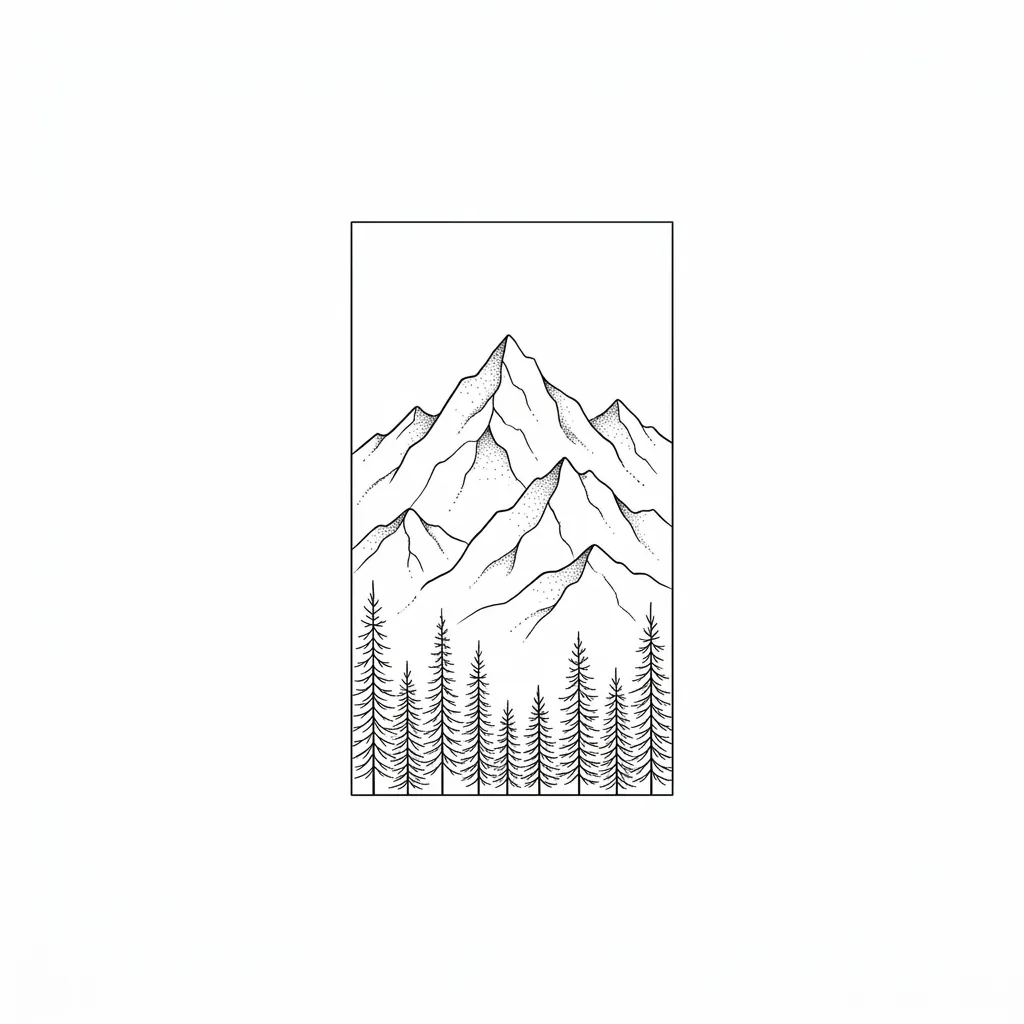
A mountain range with a pine tree line inside a thin rectangle. Forearm, 8 cm.
AI generated example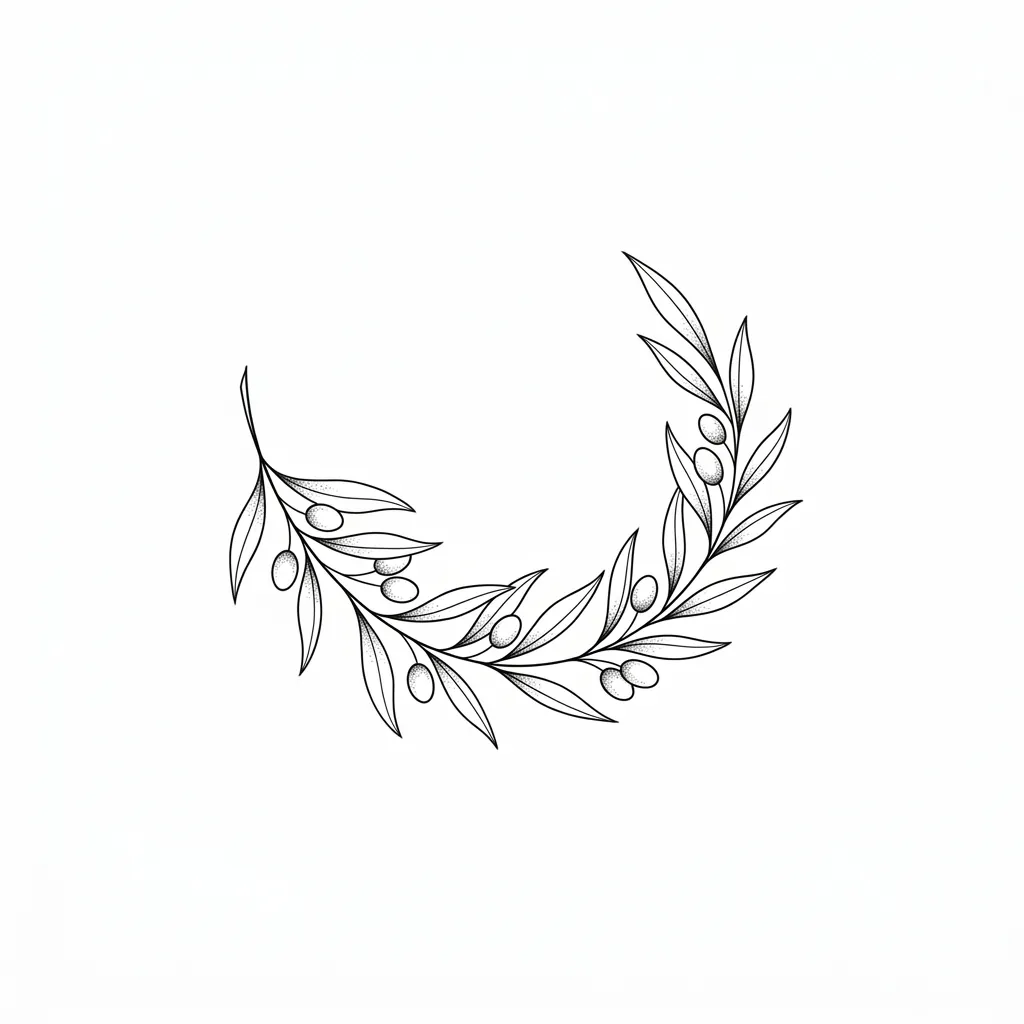
A curved olive branch. Collarbone, 10 cm.
AI generated example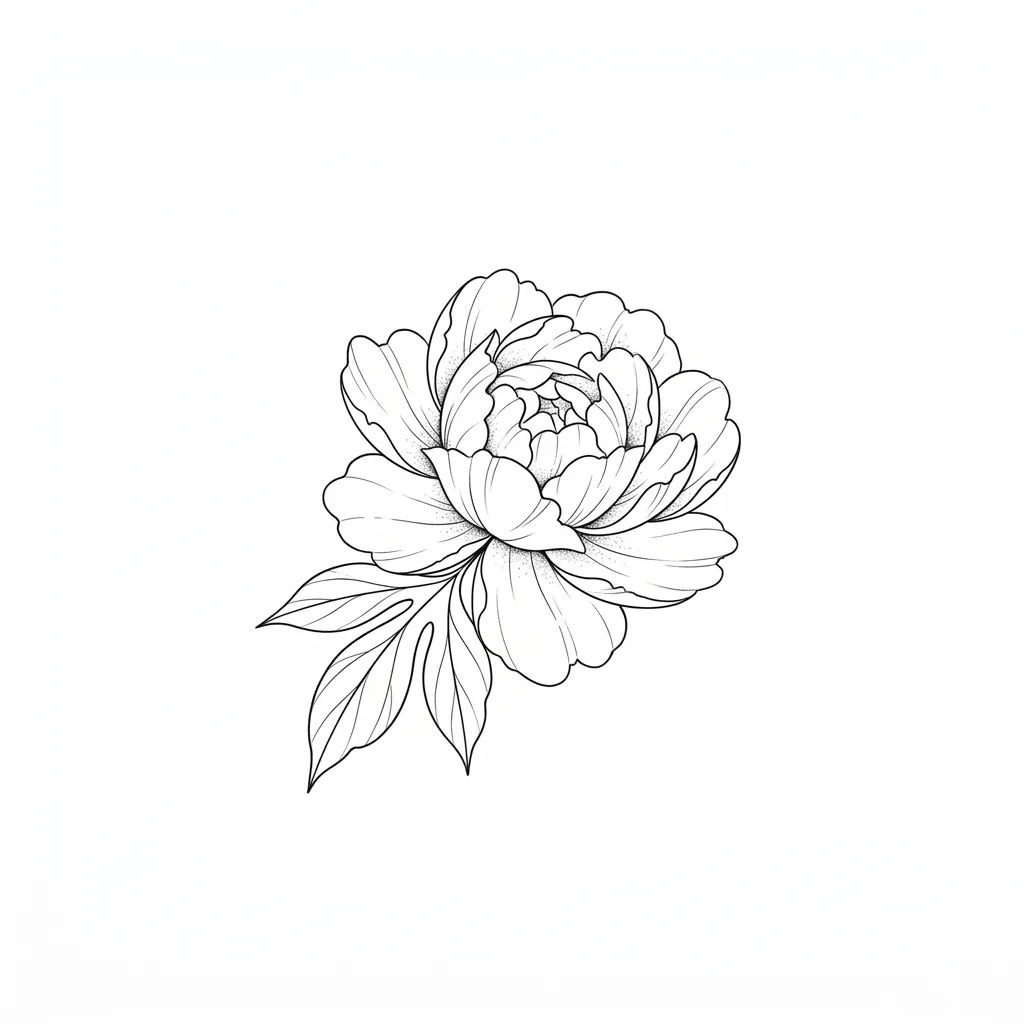
A single peony with two leaves. Inner forearm, 9 cm.
AI generated example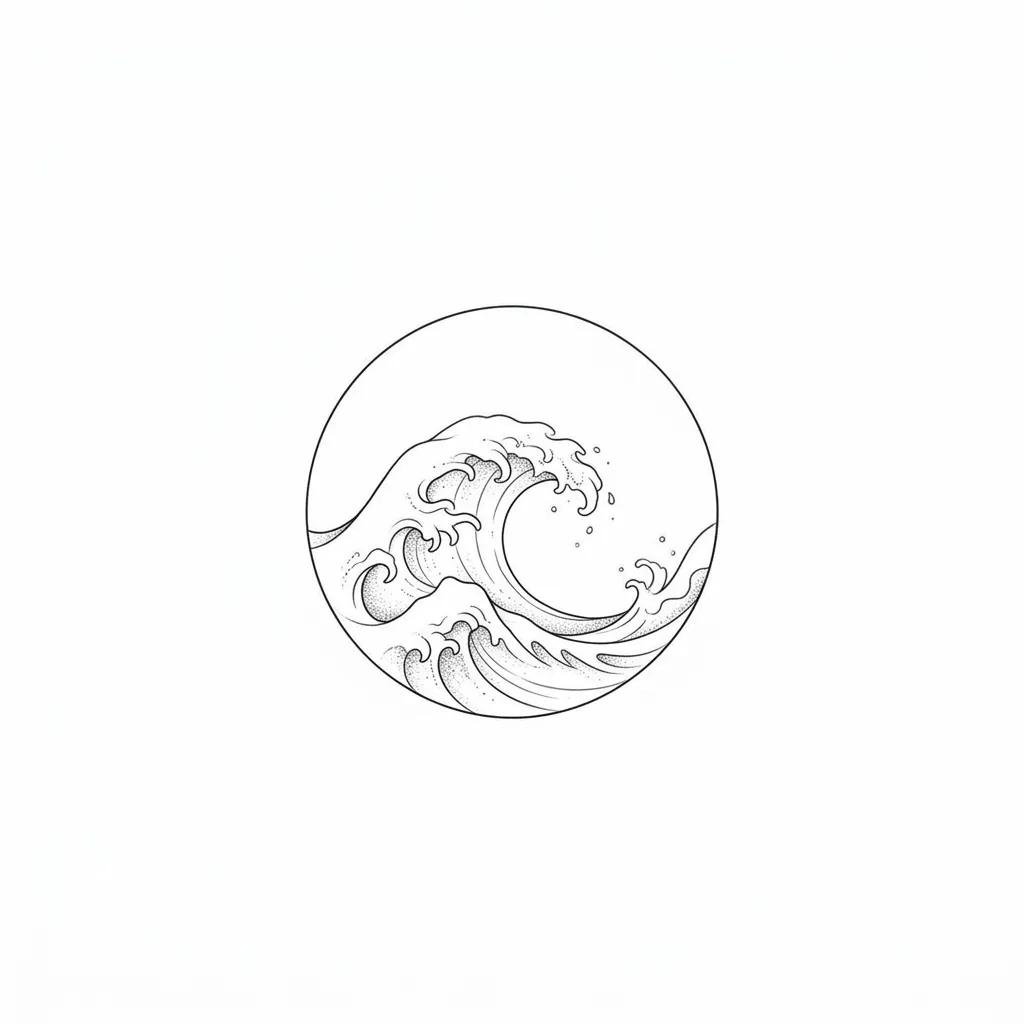
A small breaking ocean wave inside a thin circle. Wrist, 4 cm.
AI generated example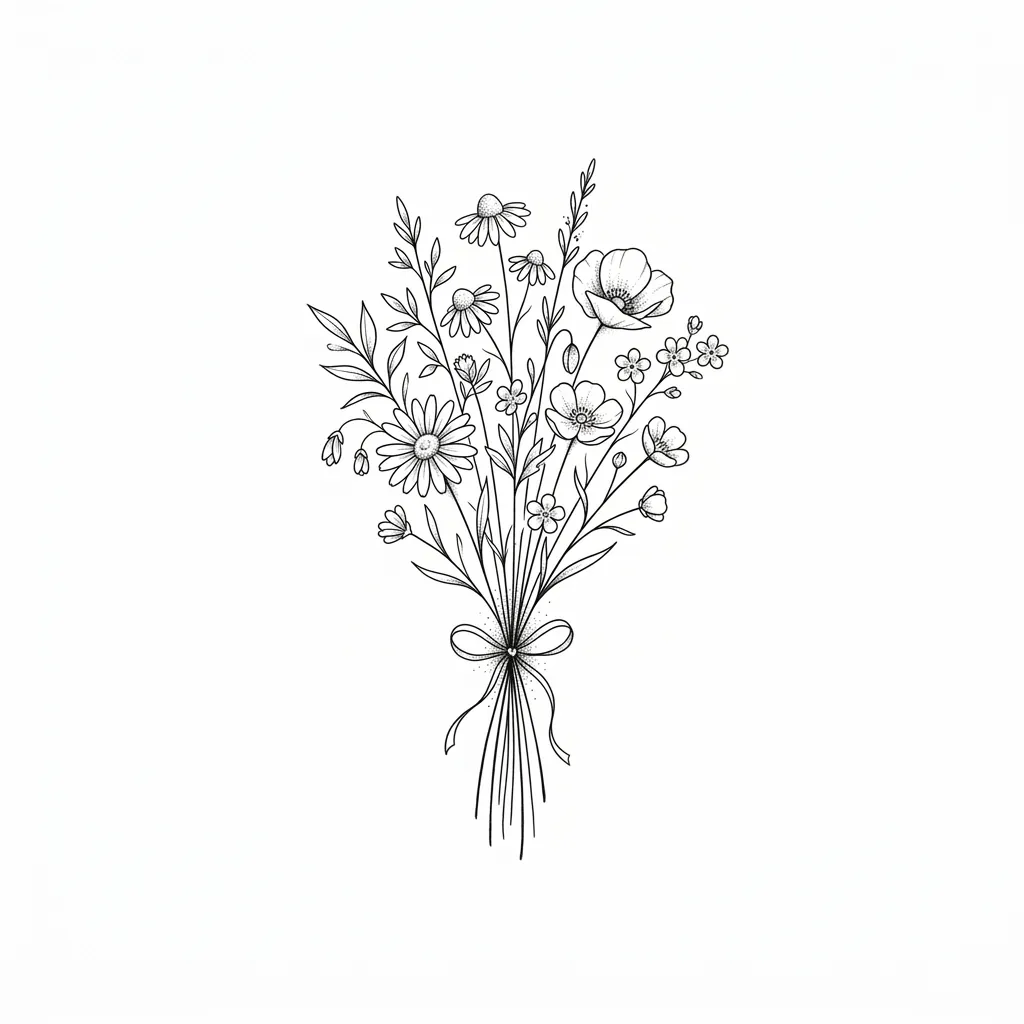
A small bunch of mixed wildflowers tied with a thin ribbon. Ankle, 7 cm.
AI generated exampleBefore you book
- Ask your artist how the design will look in a few years, and about touch-ups.
- Bring the design as a reference and discuss what needs redrawing for the size and placement.
- Run your design through the stencil maker at the real width, and look for lines that sit close together.
- See the bold outlines in the American traditional guide.
FAQ
What is a fine line tattoo?
A fine line tattoo uses a single needle or an ultra-thin needle grouping to produce thin, delicate lines.
Do fine line tattoos fade?
Fine line tattoos can fade, according to Certified Tattoo. Black Hat Tattoo also describes lettering lines softening and spreading over time. The cited guidance gives no measured fading or spread rate for fine line.
Which placements are risky for fine line?
Studio and supplier guidance flags fingers, hands and areas exposed to friction, movement, sun or thinner skin. Certified Tattoo warns about skin stretching around the ribs. Starbrite Colors says thin or loose skin makes correct needle depth harder to maintain. Ask your artist to assess the intended placement.
How small can a fine line tattoo be?
The sources give no minimum size for fine line. Sortra gives about 0.2 to 0.3 inches (roughly 5 to 7.5 mm) of letter height as a lower practical range for very simple, bold text. That figure covers simple, bold lettering only, so it sets no minimum for fine line designs. Discuss your particular design at the consultation.
Are the images on this page real tattoos?
The images are AI generated examples of the style. Use them to show an artist the kind of design you mean.
Who started fine line tattooing?
OC Weekly reports that Jack Rudy and Good Time Charlie are widely credited with popularising detailed fine line black and grey work in the 1970s. Rudy claimed it began in his shop. Wikipedia describes Dr. Woo as known for fine line single-needle work.
Sources
- Certified Tattoo (studio guidance), single needle or ultra-thin grouping, fading, washing and sun exposure on hands, ribs, larger designs with more spacing
- Tommy's Supplies, 1RL and 3RL on #8 or #10, 3RL delicate, 5RL medium, 9RL and up bold
- Black Hat Tattoo, lines soften and spread, gaps close, friction, movement, sun and thinner skin
- Sortra, fingers wear faster, 0.2 to 0.3 inches for very simple bold text, ornate scripts need more room
- Starbrite Colors, blowout, needle depth, thin or loose skin areas
- OC Weekly, Rudy and Good Time Charlie in the 1970s, East LA clients, Rudy's own claim
- Wikipedia, Jack Rudy, single-needle black-and-grey
- Wikipedia, Dr. Woo, fine line single-needle work at Mahoney's Shamrock Social Club